Design Templates for Screens and Walls
The Essential Design Toolkit for Modern Creators
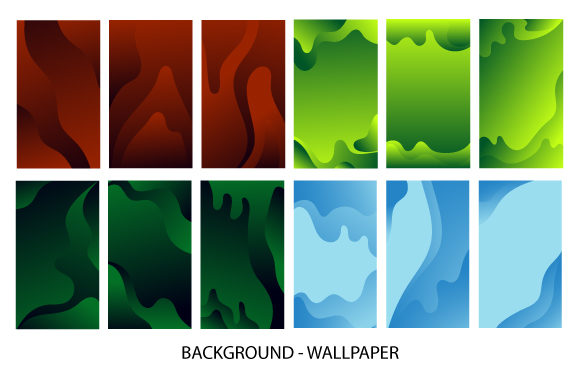
When you are building a brand or curating a digital space, the background does the heavy lifting. It sets the mood before a single word is read. This is why having a versatile library of design templates is non-negotiable for professionals ranging from graphic designers to content creators. We are looking at a comprehensive set that includes not just static images, but fully editable vector assets. The core of this offering is a collection of high-quality background and screen design templates, packaged specifically for those who use Adobe Illustrator. It is a practical solution for anyone needing to customize their digital environment or print materials quickly and with professional precision.
The included zip folder is a powerhouse of utility. It contains four distinct EPS files. If you are unfamiliar, EPS stands for Encapsulated PostScript. This is a standard vector file format used by designers because it preserves high quality regardless of how much you resize the image. Whether you need a tiny icon or a massive billboard, the lines stay crisp. Because these are vector files, you have total control over the color palette, shape manipulation, and layering inside Adobe Illustrator. You are not just downloading a static picture; you are acquiring a raw material that you can mold to fit your specific vision.
Visual Characteristics and Aesthetic Appeal
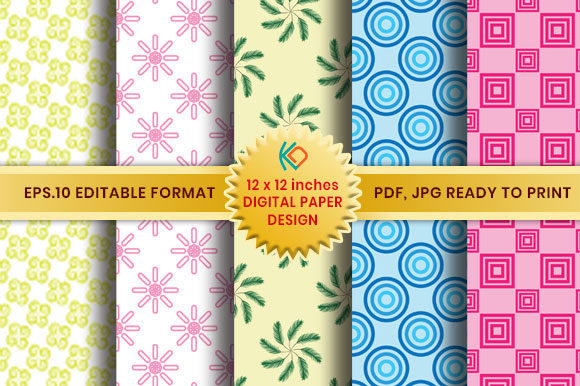
The visual personality of these templates leans toward versatility. A good wallpaper design template avoids being overly chaotic so that it supports the content placed on top of it, yet it must be interesting enough to stand on its own. Think of these files as the "stage" for your performance. They often utilize geometric patterns, subtle gradients, or organic textures that feel modern and clean. The style is inherently professional, bridging the gap between minimalist web design and rich, tactile print media. The appeal lies in their adaptability; they can feel corporate and sleek for a business presentation or vibrant and energetic for a social media campaign, depending on how you edit the colors and elements within the EPS files.
Practical Applications Across Industries
The utility of these design templates extends far beyond just changing the background on your laptop. For the entrepreneur, these files are the foundation of a solid brand identity. You can extract elements from the wallpaper to use in your packaging design or web design headers, ensuring consistency across all touchpoints. If you are a blogger or publisher, a customized version of these templates can serve as a unique backdrop for your featured images, giving your site a cohesive look that readers will recognize instantly. Content creators can use them to frame video thumbnails or create visually striking Instagram Stories that stop the scroll.
For those in the print world, the value of the EPS format cannot be overstated. Crafters and hobbyists can import these designs into their cutting machines or use them for scrapbooking backgrounds. Small business owners can create their own flyers, business cards, or store signage without hiring an expensive agency. The ability to edit the files in Adobe Illustrator means you can match the background perfectly to your brand’s hex codes. This level of customization turns a generic template into a bespoke piece of design asset that feels entirely your own.
Influence on Brand Perception and Engagement
Visual hierarchy is a critical concept in design, and your background plays a major role in it. A cluttered or low-resolution background can make text unreadable and cheapen your brand perception. Conversely, a well-designed template from this set acts as a foundation that elevates your foreground content. It influences readability by providing contrast and breathing room for your typography. When your audience visits your site or sees your flyer, the background texture creates an immediate emotional response. It signals professionalism and attention to detail, which builds trust.
Consistency is another key benefit. Using variations of the same design template across your social media graphics, your website, and your print materials creates a visual rhythm. This repetition aids in brand recognition. When people see that specific pattern or color scheme, they immediately associate it with your business. This is the essence of a strong brand identity. It is not just about having a logo; it is about the environment you create around that logo. These templates provide that environment, helping you engage your audience by presenting information in a visually pleasing, organized manner.
How to Choose and Use Your Design Assets
Selecting the right background requires a bit of strategy. You need to evaluate the project fit. Ask yourself: what is the primary goal of this design? If you are designing a landing page for a luxury product, you might want to use the cleaner, more geometric options from the set. If you are promoting a music festival, you might manipulate the vectors to create something more chaotic and vibrant. It is also crucial to consider your typography. Good design relies on font pairing. A bold, modern display font often pairs well with a subtle, geometric background, whereas a delicate script font might need a softer, more organic texture to shine.
Readability is paramount. Before finalizing your design, test how your text looks over the edited template. You may need to add a semi-transparent overlay to the background or adjust the color brightness to ensure your message isn't lost. Since you have the source files, you can easily tweak the opacity or saturation in Illustrator until the balance is right. This flexibility is what separates premium design assets from free, static downloads. You are investing in a tool that grows with your needs.
Technical Tips for Adobe Illustrator Users
When you unzip the folder and open the EPS files, take a moment to explore the layers. Good vector files are usually organized, making it easy to isolate specific elements. You can recolor individual shapes, delete sections that don't work for your layout, or combine elements from different files within the set to create something new. Remember to save your work in different formats depending on the use case—SVG for web, high-res PNG for social media, and PDF for print. This set of wallpaper screen design templates is not just a static download; it is a dynamic component of your creative workflow, designed to help you produce high-quality visual content efficiently.