Streamline Your Dental Practice's Online Presence with Social Media Templates
Maintaining a consistent and professional presence on social media is a non-negotiable part of modern marketing for any dental practice. Yet, the constant demand for fresh, high-quality content can feel like a full-time job. Between patient consultations, managing staff, and handling the business side of things, designing eye-catching graphics from scratch often falls to the bottom of the to-do list. This is where a well-structured template system becomes an invaluable asset, transforming a time-consuming chore into a streamlined, efficient process. A dedicated set of dental care social media templates provides the foundational framework you need to communicate effectively, build brand trust, and engage your community without the daily design headache.
The true power of these templates lies in their ability to marry professional aesthetics with practical, real-world usability. They are not just static images but dynamic design assets built for customization. Understanding their core features is the first step to leveraging them effectively for your brand identity.
Anatomy of an Effective Dental Social Media Kit
A high-quality template package is more than just a pretty picture; it's a toolkit designed for efficiency and consistency. The features included directly impact how quickly and professionally you can produce content. Let's break down what a robust dental care social media template set offers and why each component matters for your marketing efforts.
- Easy to Edit: This is the cornerstone of any useful template. The design should be structured so that swapping out text, changing a photo, or adjusting a color is straightforward, even for those with minimal Adobe Photoshop experience. This accessibility empowers your entire team, from the office manager to the marketing coordinator, to create on-brand content confidently.
- Organized Layers and Groups: Behind every clean design is a meticulously organized file. When layers and groups are logically named (e.g., "Headline Text," "Body Copy," "Background Image," "Accent Shapes"), it prevents the frustrating digital hunt for the right element. This organization is what makes the "easy to edit" promise a reality, saving you from accidentally moving the wrong piece of the design.
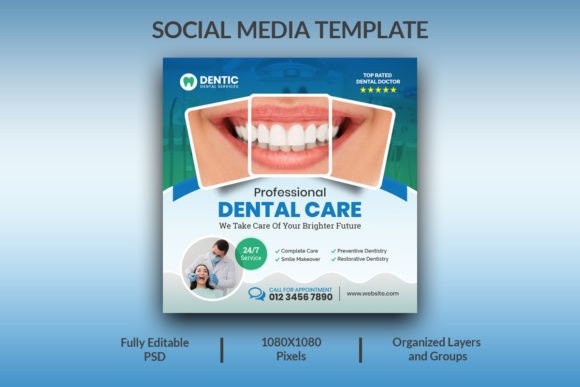
- RGB Color Mode & Specific Dimensions: These are technical necessities for digital work. RGB is the standard color mode for screens, ensuring your colors look vibrant and accurate on monitors and phones. Providing templates in standard 1080x1080 pixels (Instagram Square) and 1500x500 pixels (Twitter/X Banner) dimensions means your graphics will display perfectly without awkward cropping or blurriness, projecting an image of professionalism and attention to detail.
- Adobe Photoshop CC Compatibility: Building the templates in a professional industry-standard tool like Photoshop CC ensures maximum control and quality. It allows for advanced editing capabilities, from subtle color adjustments to complex image masking, giving you the creative freedom to make each post uniquely yours while working within a proven structure.
- Included Help Guide & Free Fonts: A comprehensive help guide demystifies the editing process, offering step-by-step instructions for common tasks. This is crucial for users who may be less familiar with Photoshop. Furthermore, specifying free, high-quality sans serif fonts like Lato, Raleway, and Poppins ensures you can maintain the design's intended look without incurring additional licensing costs. These typefaces are known for their clean readability and modern typography feel, making them ideal for healthcare communications.
It's also important to note the practical disclaimer: images are not included. This is standard practice, as it allows you to use your own authentic photos of your team, office, and patients (with their consent), which builds far greater trust and local connection than generic stock imagery ever could.
Practical Applications for Brand Consistency and Engagement
With the technical foundation understood, the real value emerges in how you apply these templates to your specific marketing goals. A versatile template set is a creative font and layout playground for various content needs.
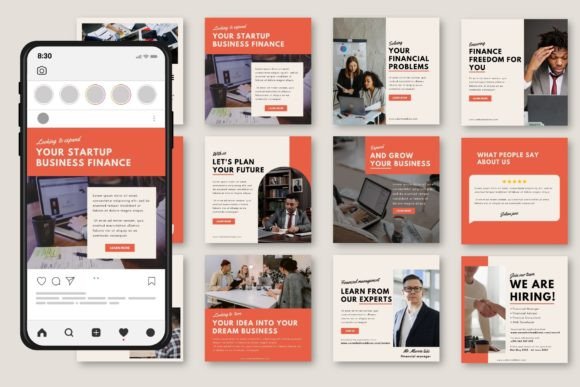
For Routine Communications: Use the Instagram square templates for weekly tips on oral hygiene, appointment reminders, or introducing new staff members. The consistent layout helps followers instantly recognize your content in their busy feeds, strengthening brand perception and recognition. The Twitter banners are perfect for announcing holiday hours, promoting a new service, or sharing a patient testimonial (with permission), ensuring your profile page always looks current and informative.
For Marketing Campaigns: Launching a teeth-whitening special or a back-to-school checkup campaign? The templates provide a cohesive visual language for the entire campaign. You can create a series of posts that tell a story, with each graphic feeling like part of the same family. This visual consistency enhances your message's professionalism and makes your marketing spend more effective. The clean, modern typography of the included fonts ensures your offers are communicated clearly and persuasively.
Building Community and Trust: Social media is about connection. Use the templates to share behind-the-scenes glimpses, celebrate team birthdays, or highlight community involvement. The professional yet approachable style of a well-designed template helps humanize your practice. When your graphics look polished and thoughtful, it subconsciously communicates the same level of care in your patient services, directly influencing brand perception and trust.
Integrating Templates into Your Workflow: A Designer's Perspective
As a designer or brand strategist, I see these templates not as a constraint but as a strategic starting point. The goal is to use the framework to ensure consistency while infusing your unique brand personality. Here’s how to approach it practically:
- Evaluate and Customize: Don't just use the templates as-is. The first step is to customize them to your exact brand colors and potentially swap the sans serif font for one from your own brand guidelines if you have a specific typeface you use. This transforms the generic template into a true extension of your brand identity.
- Create a Content Library: Dedicate time to editing a batch of templates at once. Create variations for different types of posts: one for educational content, one for promotions, one for testimonials. Save these customized versions as your own master files. This creates a personal library of design assets that you can pull from in minutes, ensuring you never start from a blank canvas.
- Focus on Visual Hierarchy: Pay attention to how the template guides the viewer's eye. The headline, supporting text, and call-to-action are placed in a deliberate order. When you edit, maintain this hierarchy. Make your main message the most prominent element. This is where the template's underlying design logic becomes a silent partner in your communication strategy.
- Test for Readability: Always preview your finished post on a mobile device. The clean lines of fonts like Poppins and Raleway generally offer excellent readability at small sizes, but your specific color choices and background image complexity can affect this. Ensure there is sufficient contrast between text and background. A beautiful post is useless if patients can't easily read the phone number or the offer details.
Ultimately, a set of Dental Care Social Media Templates is about working smarter. It provides the professional polish and structural efficiency that allows a dental practice to maintain an active, engaging, and trustworthy online presence. By understanding the features, applying them thoughtfully to your content strategy, and customizing them to reflect your unique practice, you turn a simple set of files into a cornerstone of your digital marketing success. This approach frees up your most valuable resource—time—to focus on what you do best: providing exceptional patient care.